 B-insights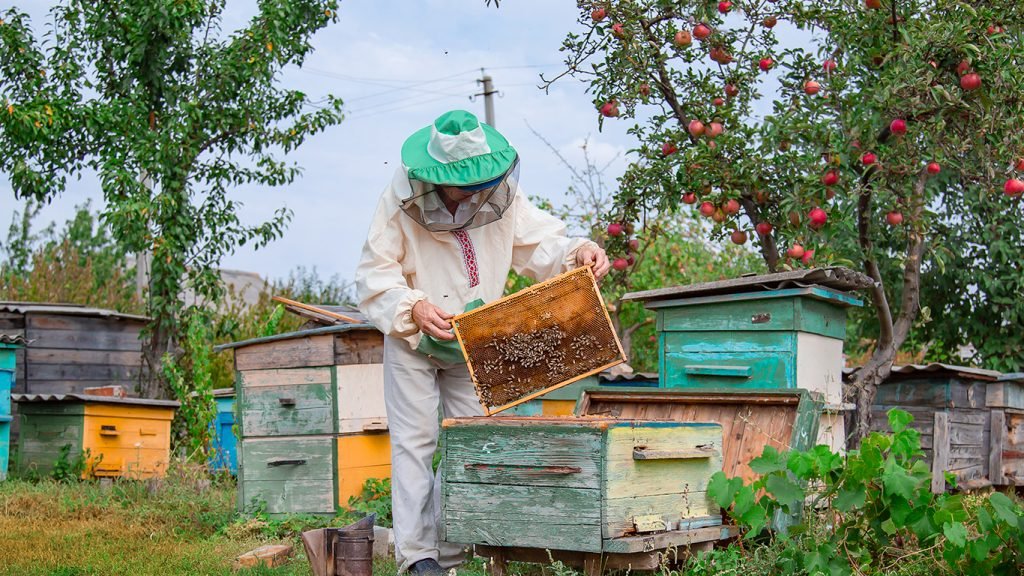
Inspecting your beehive is one of the most crucial aspects of successful beekeeping. Regular hive inspections help maintain the health of your colony, increase honey production, and detect potential issues early. In this guide on how to inspect your beehive, we’ll cover each essential step, equipping you with the knowledge you need to keep your hive happy and thriving.
Table of Contents
Table of Contents
1. Why Regular Hive Inspections Are Important
Conducting regular hive inspections allows you to spot and address issues early, ensuring the hive remains productive and healthy. Here are the main benefits: Early Detection of Health Issues: Regular inspections let you detect pests, diseases, or hive problems before they become severe. Increased Honey Production: A healthy, well-maintained hive naturally leads to greater honey yields.
Pro Tip: During spring and summer, inspect your hive every 7–10 days to monitor colony growth and honey flow. In colder months, inspections can be less frequent to avoid disturbing the bees.
2. Essential Tools for Hive Inspections
Having the right tools for inspecting your beehive ensures safety and efficiency. Here’s what you need: Bee Suit and Gloves: Protects you from stings while letting you work confidently. Hive Tool: Helps pry apart hive components and scrape off wax or propolis. Smoker: Calms the bees, making it easier to open the hive without disturbing them. Brush or Feather: Gently brushes bees off frames when needed.
Pro Tip: Check that all your tools are clean and in good working condition before each inspection.
3. Preparing for a Hive Inspection
Preparation is key for a successful hive inspection. Here are some tips: Choose the Right Time: Inspect the hive on sunny, mild days when most bees are out foraging. Prepare Your Smoker: Light your smoker to ensure it’s producing cool, steady smoke before approaching the hive. Suit Up and Stay Calm: Wear protective gear and move calmly. Bees are sensitive to fast movements and smells.
Pro Tip: Avoid wearing perfumes or strong scents as bees may react to them.
4. Step-by-Step Guide to Inspecting Your Beehive
Here’s a simplified process for conducting a thorough hive inspection: 1. Observe Entrance Activity: Watch the entrance for a few minutes. Healthy bees often bring in pollen, a sign of brood rearing. 2. Open the Hive Gently: Use your smoker at the entrance and under the hive cover. Then use your hive tool to open the hive slowly. 3. Check the Frames: Remove frames one by one, looking for brood patterns, eggs, and signs of a healthy queen. 4. Examine the Queen’s Condition: Check for the queen or recent activity. A healthy queen should lay eggs in a consistent pattern. 5. Inspect for Pests and Diseases: Look for unusual signs like mites, chalkbrood, or discoloration that may indicate disease. 6. Record Findings and Observations: Note observations for each section, including abnormalities or any issues needing follow-up. 7. Reassemble the Hive: After checking all frames, return them carefully and secure the hive cover.
Pro Tip: Regular notes help you track changes and make better-informed management decisions.
5. Common Issues to Look For During Inspections
During inspections, you might come across some challenges. Here are common issues to keep an eye on: Varroa Mites: These tiny parasites weaken bees by feeding on their bodily fluids. Chalkbrood: A fungal disease that affects larvae, causing them to harden. Wax Moths: Pests that burrow through comb and can weaken the hive structure. American Foulbrood: A bacterial disease that can spread rapidly and severely impact the colony.
Pro Tip: If you discover an issue, assess its severity and take action if needed, such as applying treatments or requeening the hive.
6. Post-Inspection Tips: Recording Observations and Next Steps
After each inspection, it’s essential to document findings and plan any necessary next steps. Document Everything: Use a beekeeping journal or app to note queen activity, brood pattern, and potential issues. Plan Future Actions: Based on your findings, decide on any follow-up actions, such as pest monitoring or hive expansion.
Pro Tip: Consistent record-keeping helps track the hive’s health over time and spot trends or recurring issues.
Conclusion
Inspecting your beehive is a vital practice for maintaining a productive and healthy colony. By following these 6 essential steps on how to inspect your beehive, you’ll be equipped to support your bees and enjoy the rewards of a thriving hive. Regular inspections allow you to detect issues early, protect against disease, and optimize honey production. Have questions or tips to share? Leave a comment below, explore our other beekeeping guides, and consider signing up for our newsletter for more helpful tips.