 B-insights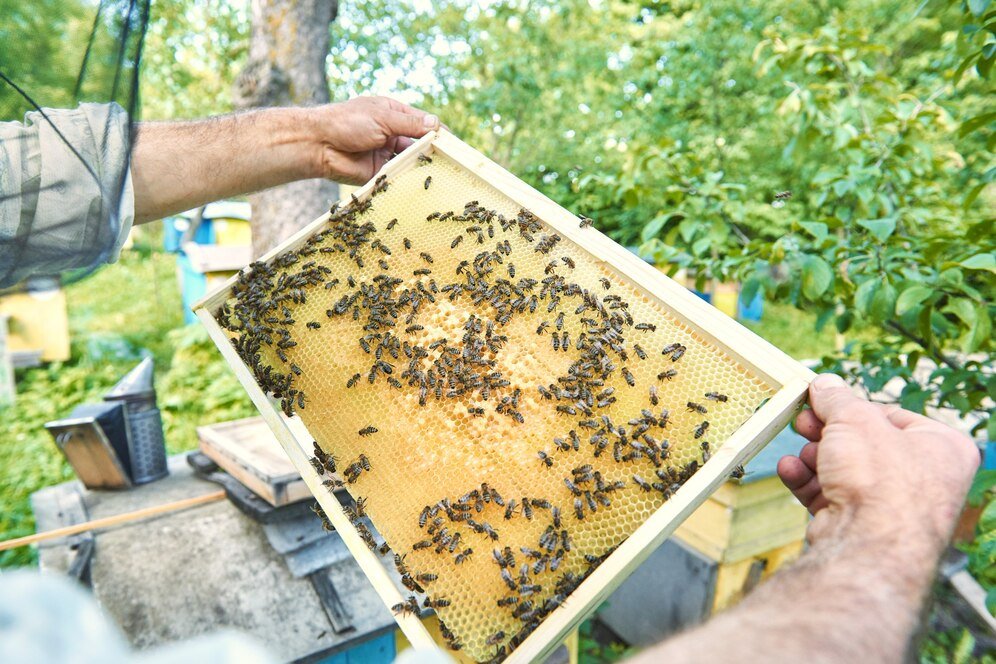
Spring is a crucial time for beekeepers as hives emerge from winter and begin preparing for the busy months ahead. With the right steps, you can set up your bees for a healthy, productive season. This guide provides six essential spring beekeeping steps to help ensure your hive is ready for growth, honey production, and strong colony health.
Table of Contents
Table of Contents
1. Why Spring Beekeeping is Important
As temperatures warm up, bees start rebuilding the colony after the winter months. Spring beekeeping tasks focus on supporting this natural growth, addressing any winter damage, and ensuring that the hive is ready for peak productivity. Colony Growth: Spring is the time when queen bees ramp up egg-laying to expand the colony, setting the foundation for the hive’s strength in summer. Honey Production: Proper preparation ensures the hive can maximize nectar flow and store honey, benefiting from the blooming spring flora.
Pro Tip: Start inspections and management tasks as soon as the temperatures consistently reach above 50°F (10°C).
2. Essential Spring Beekeeping Tools
Having the right tools on hand simplifies spring tasks and keeps you safe. Here’s what you’ll need: Bee Suit and Gloves: Protect yourself from potential stings, especially as the hive becomes more active. Hive Tool: A hive tool is essential for separating frames, lifting covers, and clearing any winter debris. Smoker: Calms the bees during inspection and management tasks. Feeder: Ensures your bees have enough food until natural sources become more abundant.
Pro Tip: Make sure your tools are clean and ready to go before spring begins to avoid delays in your first inspections.
3. Spring Hive Inspections
As the weather improves, conduct a thorough inspection to assess the hive’s health and condition. Follow these key steps: Check for Queen Activity: Look for eggs and larvae as signs that the queen is active and laying, which indicates healthy colony growth. Evaluate Winter Stores: Assess remaining honey stores to determine if additional feeding is needed. Inspect for Pests and Diseases: Look for any signs of varroa mites, chalkbrood, or other issues that may have developed over winter. Remove Winter Equipment: If you added any winter insulation or windbreaks, remove them gradually as temperatures stabilize.
Pro Tip: Be gentle during your first spring inspections to avoid disturbing bees that may still be adjusting to temperature changes.
4. Feeding and Nutrition in Spring
In early spring, natural food sources may still be limited, so supplemental feeding can be crucial. Sugar Syrup: Providing a 1:1 sugar syrup mix helps bees regain energy and supports early brood rearing. Pollen Patties: These can be useful for boosting protein intake, supporting brood production until natural pollen sources are more available.
Pro Tip: Only feed until nectar flow begins. Once flowers are blooming abundantly, your bees will naturally transition to foraging.
5. Managing Hive Space and Population Growth
As spring progresses, the colony grows quickly. Managing space and providing enough room for brood and honey storage will help the hive thrive. Add Additional Boxes: Add a second brood box or honey super as soon as the existing boxes are about 70% full. This prevents overcrowding and supports colony expansion. Monitor Brood Patterns: Check that the queen has enough space to lay eggs, and ensure that there’s a balanced brood pattern across frames.
Pro Tip: Avoid expanding too quickly. Adding boxes gradually as the colony needs space helps the hive maintain stable temperatures and reduces the risk of pests.
6. Preparing for Swarm Prevention
Spring is a common time for swarming, especially if the hive becomes too crowded. Preventative steps can help you keep the colony intact: Requeen if Needed: Requeening in spring reduces the likelihood of swarming and promotes stronger brood production. Monitor Queen Cells: Inspect for any queen cells, which could be a sign that the bees are preparing to swarm. If you find queen cells, consider splitting the hive to create a new colony. Provide Space: Ensure the bees have ample room to grow and store honey, reducing the colony’s urge to swarm.
Pro Tip: If your hive shows strong swarm behavior, an early season split can help manage the colony and give you an additional hive to work with.
Conclusion
Spring beekeeping requires careful preparation and consistent management to support a thriving, productive colony. By following these 6 essential steps, you’ll set up your hive for a healthy season and maximize its productivity as it heads into summer. Regular inspections, space management, and nutrition are key to helping your bees flourish. Start early, stay proactive, and enjoy the rewards of a well-maintained hive. Have any tips or favorite spring beekeeping practices? Leave a comment below, and don’t forget to explore more beekeeping tips on our blog!